Hosted By

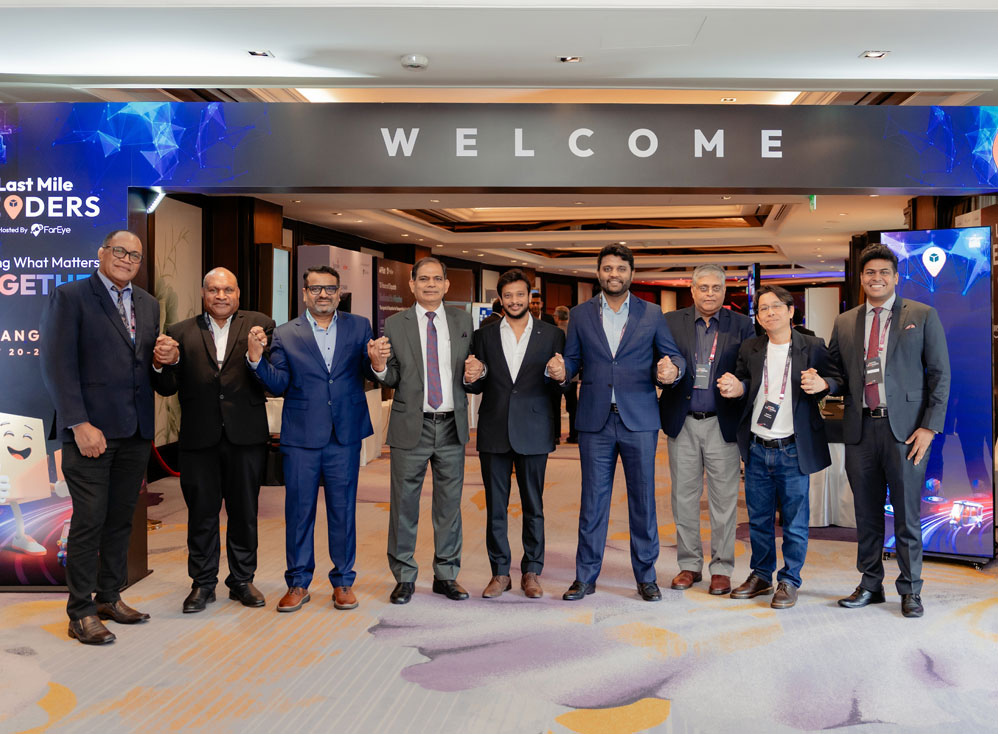
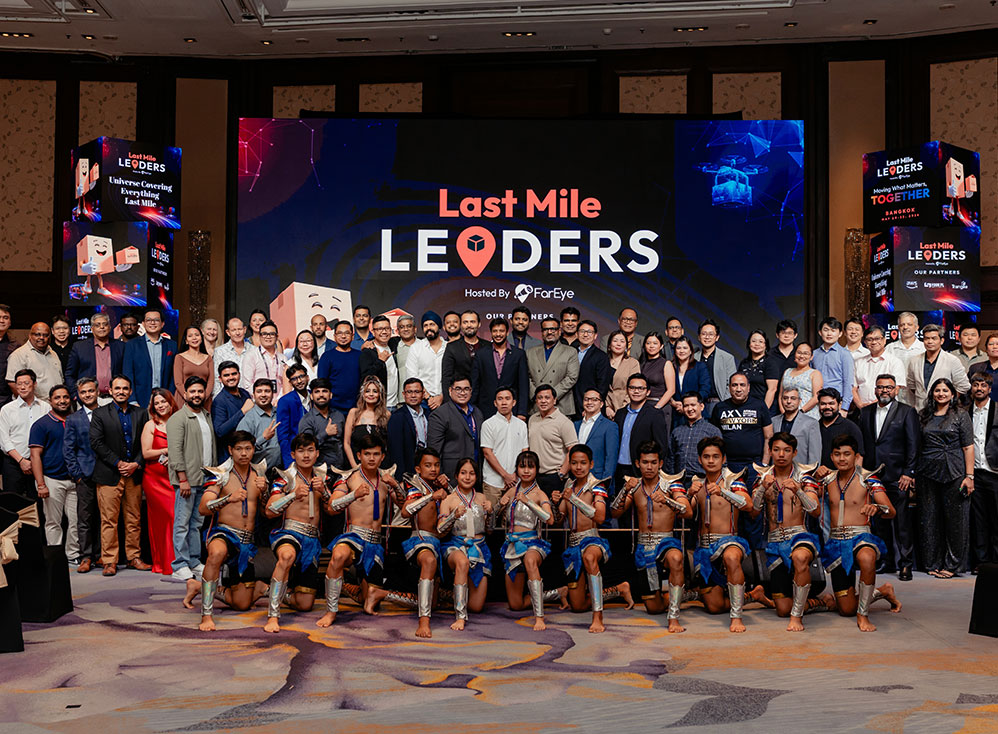
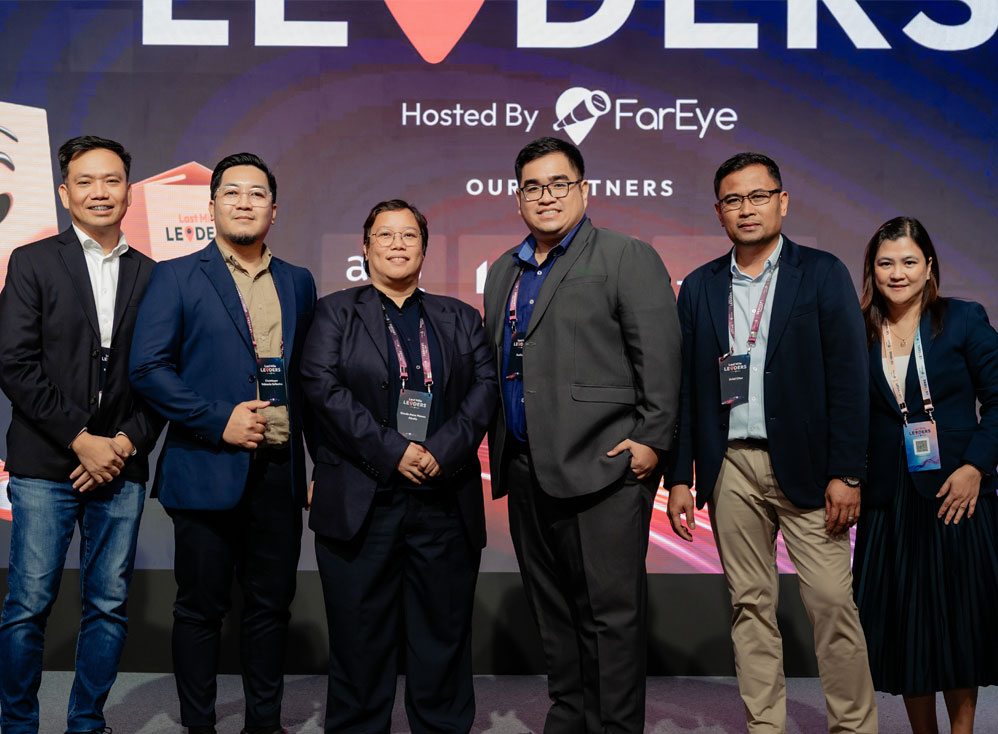
Thank you for making Last Mile Leaders Asia 2026 more than a summit - it was a powerful gathering of industry pioneers, bold ideas, and meaningful conversations. Together, we explored the future of last-mile logistics, AI-driven transformation, and the innovations shaping tomorrow’s supply chain ecosystem across APAC.

Last Mile Leaders (LML) is invite-only, industry-led forum for APAC leaders to move from legacy systems to Delivery Orchestration. Across APAC, buyers are looking to upgrade, replace, or rationalise existing TMS and last-mile systems that can no longer handle cost pressure, fragmentation, and service expectations.Last Mile Leaders APAC is built around this reality, and creates space for operators to step back from execution and compare how they’re solving core challenges - openly, practically, and peer-to-peer.

Last mile accounts for up to 53% of shipping costs. AI optimisation reduces fuel spend by 20% and improves ETA accuracy by 30%+.

Cost-to-Serve & Revenue Leakage — failed deliveries, reattempt economics, how to quantify the cost of leakage, and what good looks like on cost-per-delivery.
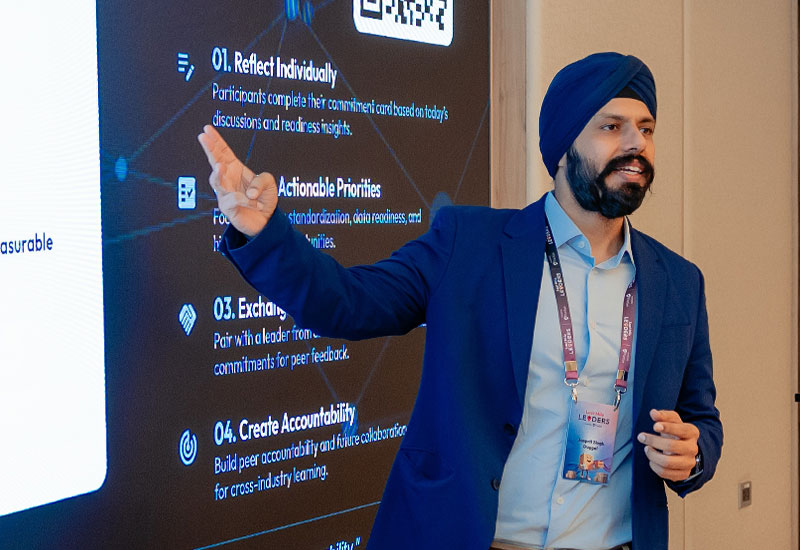
A strategic roundtable on how AI is moving from experimentation to enterprise-scale logistics execution. The session explored how AI agents could reshape planning, control, customer experience, and financial governance across the future workforce.
From multi-agent systems to autonomous orchestration, see how Agentic AI is redefining logistics and supply chain operations.

See how JB Hi-Fi used AI-powered Smart Service Time planning to improve delivery accuracy, efficiency, and operational savings across Australia.

Discover how AI-driven logistics orchestration helps transportation teams automate dispatch workflows and improve operational efficiency.







































APAC last-mile market growing at 13.5% CAGR through 2034 (Precedence Research). Last-mile = up to 53% of total shipping cost. 45% of APAC logistics firms still on manual/legacy systems. AI route optimisation delivering 15–20% fuel cost reduction and 30%+ ETA accuracy improvement in live deployments.
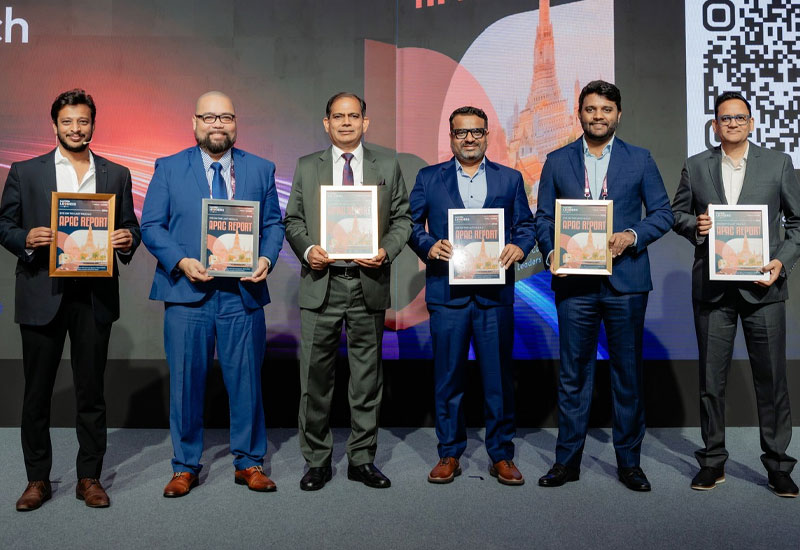
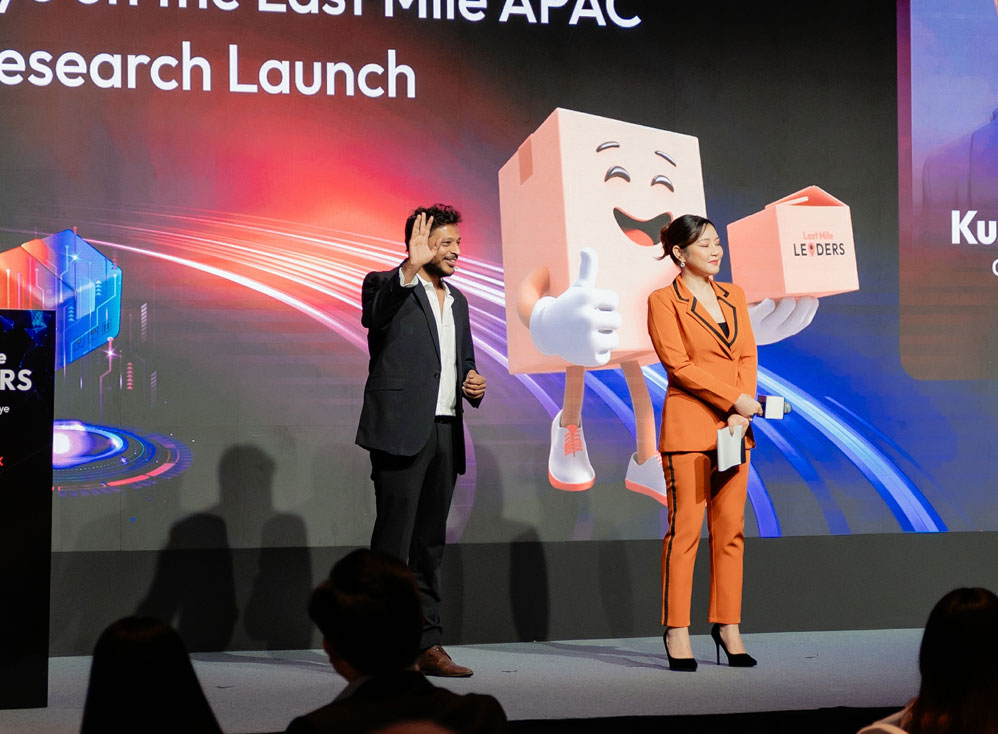
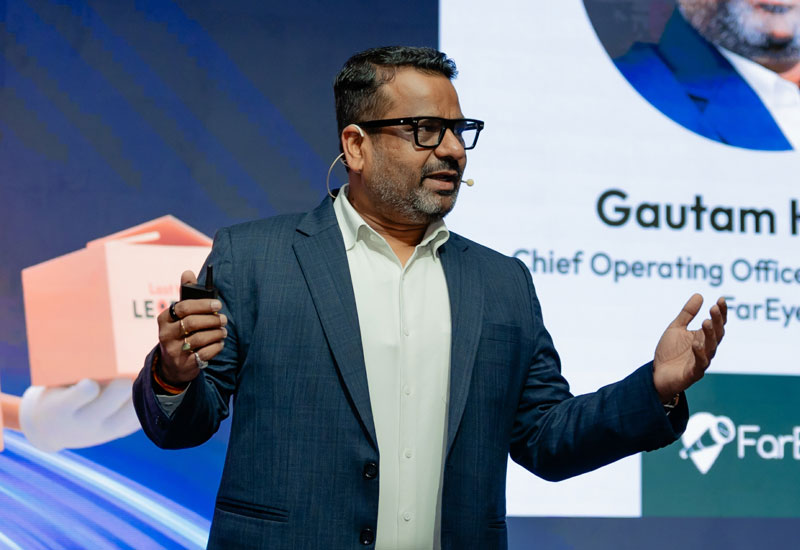
Kushal opens with the strategic frame and launches the APAC edition of Eye on the Last Mile.

APAC's last-mile is uniquely fragmented: island archipelagos, infrastructure gaps, regulatory constraints, and 10–30 carrier relationships per enterprise.
This panel goes deep on how shippers and 3PLs are managing real-time carrier allocation, fallback logic, and cross-border handoffs. Key pressure points: truck bans and routing restrictions are a market-wide reality across APAC — not isolated to specific cities — creating last-minute unplanned changes that static TMS simply cannot absorb. Vendor and carrier reconciliation at scale is a growing operational burden, and the inability to handle dynamic mid-route changes is where the cost bleeds out. The hidden price of manual carrier management at this complexity level is what the panel unpacks.
.png)
Last-mile represents 41–53% of total logistics cost — and in APAC, the leakage points go deeper than failed deliveries alone. This panel brings together operators who have confronted cost-to-serve head-on: what the numbers actually look like per vertical, where margin is disappearing, and what's actually working vs what's just good-looking on a slide deck. Beyond failed deliveries and reattempts, the conversation covers vendor invoice reconciliation at scale — where billing disputes, unverified charges, and manual matching create persistent cost drag — and the growing problem of adhoc unplanned VAS charges that never get flagged or recovered.
No aspirational talk — quantified outcomes only.
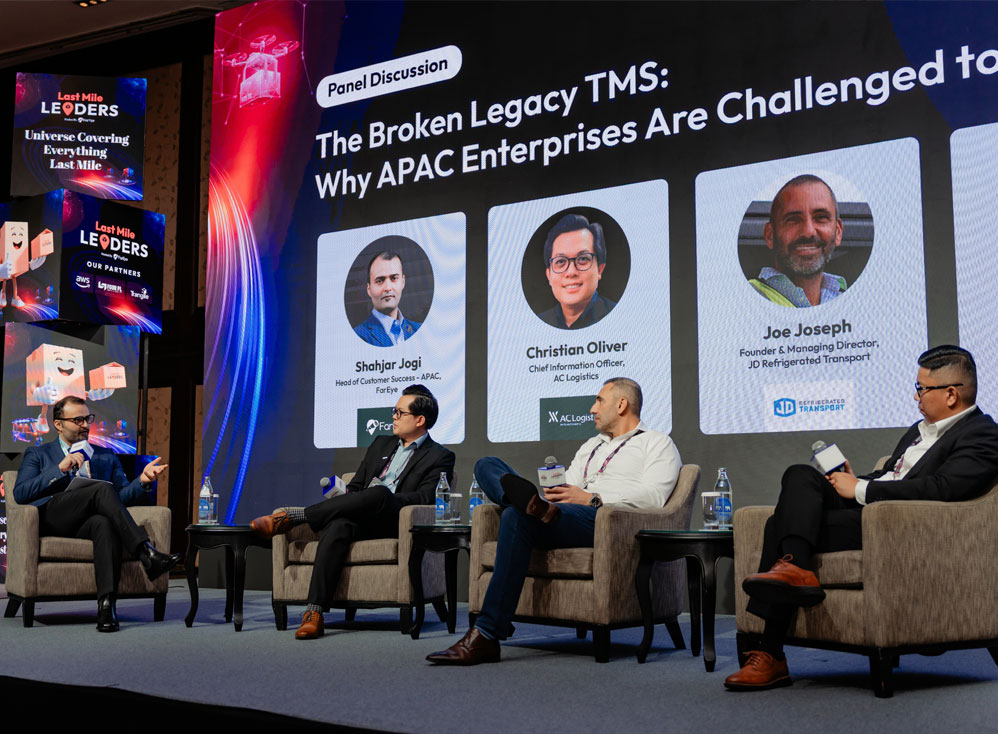
Regional scene-setter grounded in real operational pain. How are APAC enterprises managing delivery operations today — and what is breaking? Legacy TMS platforms were built for static, single-market environments — fixed routes, fixed carriers, fixed rules. APAC's reality is the opposite: dynamic demand, multi-country complexity, and operations that increasingly depend on a combination of road, rail, air and sea working in concert. These systems were never designed for that.
Covers TMS modernisation vs replacement decisions and why legacy stacks fail at APAC scale. Geo mix: SEA, India, ANZ perspectives.
Customers across APAC expect delivery windows measured in hours, not days — yet the average enterprise is still working with ETAs that are 4–6 hour estimates generated at dispatch. This panel examines what real-time visibility looks like in practice: predictive ETAs vs static windows, proactive exception management, WISMO reduction, and how visibility investments directly impact customer retention and NPS. Covers both B2C (speed and transparency) and B2B (compliance windows, proof of delivery) use cases.

TMS Modernisation & Replacement — for operators evaluating or mid-implementation. Discussion: what's driving the decision, what's the biggest risk, what does 'good' look like?
Cost-to-Serve & Revenue Leakage — failed deliveries, reattempt economics, how to quantify the cost of leakage, and what good looks like on cost-per-delivery.
The day's dedicated AI session. Moves beyond the hype to what's actually in production across APAC: AI-powered carrier selection, predictive ETA engines, dynamic route optimisation, automated exception management, and WISMO deflection. Panellists share real deployment journeys — what worked, what failed, what the ROI timeline looked like.
The EDGE Awards honour those who don't just operate in the last mile. They transform it. In an industry defined by complexity, speed, and relentless pressure, these are the individuals and organisations who rise above the noise, turning operational challenges into competitive advantage. We take a moment to recognise the leaders, innovators, and problem-solvers whose work doesn't just move the needle — it moves the entire industry forward.
Details under wraps — but trust us, you'll want to stick around.What we can promise is an evening that celebrates you as loudly as your achievements deserve.
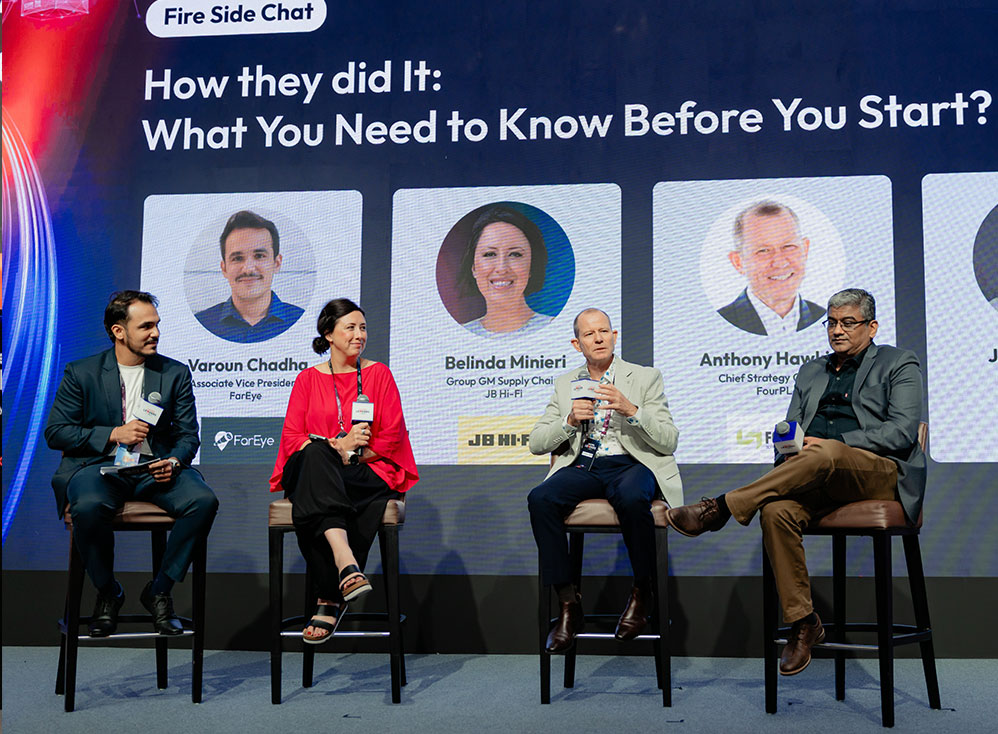
Hear it from JB HiFi, Australia's largest consumer electronics and home entertainment retailer, who embedded AI into their Operations successfully: the problem they faced, the decision to deploy AI, the journey and the quantified outcomes.
How they did It — And What You Need to Know Before You Start
Hands-on view of world's first autonomous Dispatch Agent in action



















Collaborative Allies: Sponsors and Promoters



Join ongoing conversations via Last Mile Talks and upcoming regional events.